
For decades, the hospitality industry has operated under a fairly simple philosophy when it comes to food: more is better. Generous portions, overflowing buffets, pastries at morning breaks, cookies in the afternoon and dessert following a full banquet meal have long been part of the meeting and event experience.
But the way Americans eat is changing—and the rapid growth of GLP-1 medications may be accelerating that change.
For military reunion planners and the hotels that serve them, this could present an opportunity to rethink not only what is being served, but how much.
First, What Is a GLP-1?
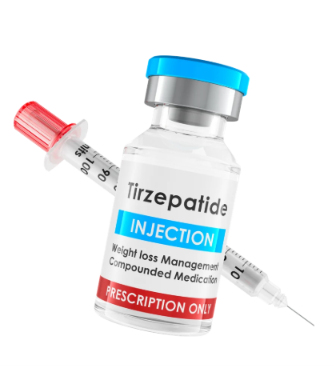
First, What Is a GLP-1?
GLP-1 stands for glucagon-like peptide-1, a hormone naturally produced by the body. GLP-1 medications mimic some of its effects, including helping regulate blood sugar, slowing digestion and helping people feel full sooner.
Medications in this general category include familiar names such as Ozempic, Wegovy, Mounjaro and Zepbound, although the medications have different approved uses and do not all work in exactly the same way.
And their use has grown rapidly.
According to KFF, an independent health-policy research organization formerly known as the Kaiser Family Foundation, 12% of U.S. adults reported currently taking a GLP-1 medication as of March 2026. Eighteen percent—nearly one in five adults—reported having used one at some point.
For an industry built around feeding people, that’s a population too large to ignore.
So, What Aren’t They Eating?
Research suggests that GLP-1 users aren’t simply eating less—they’re also making different choices.
PricewaterhouseCoopers (PwC) surveyed more than 3,000 current, former and prospective GLP-1 users in May 2026 and also analyzed household purchasing data. Among current users surveyed, 61% said they were buying fewer sweet treats and 56% were buying fewer salty snacks. Purchases were shifting toward fresh produce and protein.
Restaurant behavior is changing as well. PwC’s transaction data found quick-service restaurant spending per GLP-1 household declined 8.7% after six to eight months. Perhaps even more interesting for hospitality, 35% of current users surveyed wanted smaller restaurant portions at proportionally lower prices, while 32% wanted half portions or split plates without an additional charge.
There is also evidence of reduced alcohol consumption among some GLP-1 users, although the research does not support saying that everyone taking these medications drinks less.
The larger message is clear: the traditional assumption about how much food one person wants to consume deserves another look.
Meetings and Events Are Beginning to Pay Attention
This conversation has already reached the meetings industry.
Meetings Today recently noted that event menus haven’t changed substantially in years: portions remain generous, dessert is routinely included, breaks tend to be sweet and carbohydrate-heavy, and hosted bars are often based on longstanding assumptions about attendee consumption. The publication identified growing GLP-1 use as one reason those assumptions deserve reconsideration.
That doesn’t mean eliminating the cookie. It means perhaps putting something next to it.
Instead of a break consisting primarily of pastries, brownies, cookies and chips, hotels might offer smaller portions and a broader mix of protein-forward and fresh choices. Instead of automatically serving a large dessert following an already substantial banquet meal, perhaps offer a mini dessert. Rather than assuming everyone wants a large sandwich and sides for lunch, consider options that allow attendees to build a meal appropriate for their appetite.
The answer isn’t a special “GLP-1 menu.” It’s choice and flexibility.
Hotels Have an Opportunity
Hotels are in an excellent position to help groups navigate these changing eating habits.
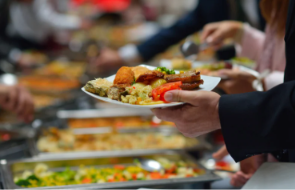
Catering departments see hundreds of groups and thousands of meals. They can see what’s disappearing from buffets—and what’s coming back to the kitchen untouched.
That knowledge has value.
Hotels can work with planners to offer smaller plated portions, lighter entrées, half sandwiches, mini desserts, protein-forward breaks and more flexible buffet selections.
They can also help planners examine previous consumption and food waste rather than automatically assuming every attendee requires the same quantity of every menu item.
And instead of simply telling a planner, “This is our banquet package,” perhaps the conversation becomes:
“Tell us about your attendees and how they eat.”
That’s good hospitality—with or without GLP-1s.
